
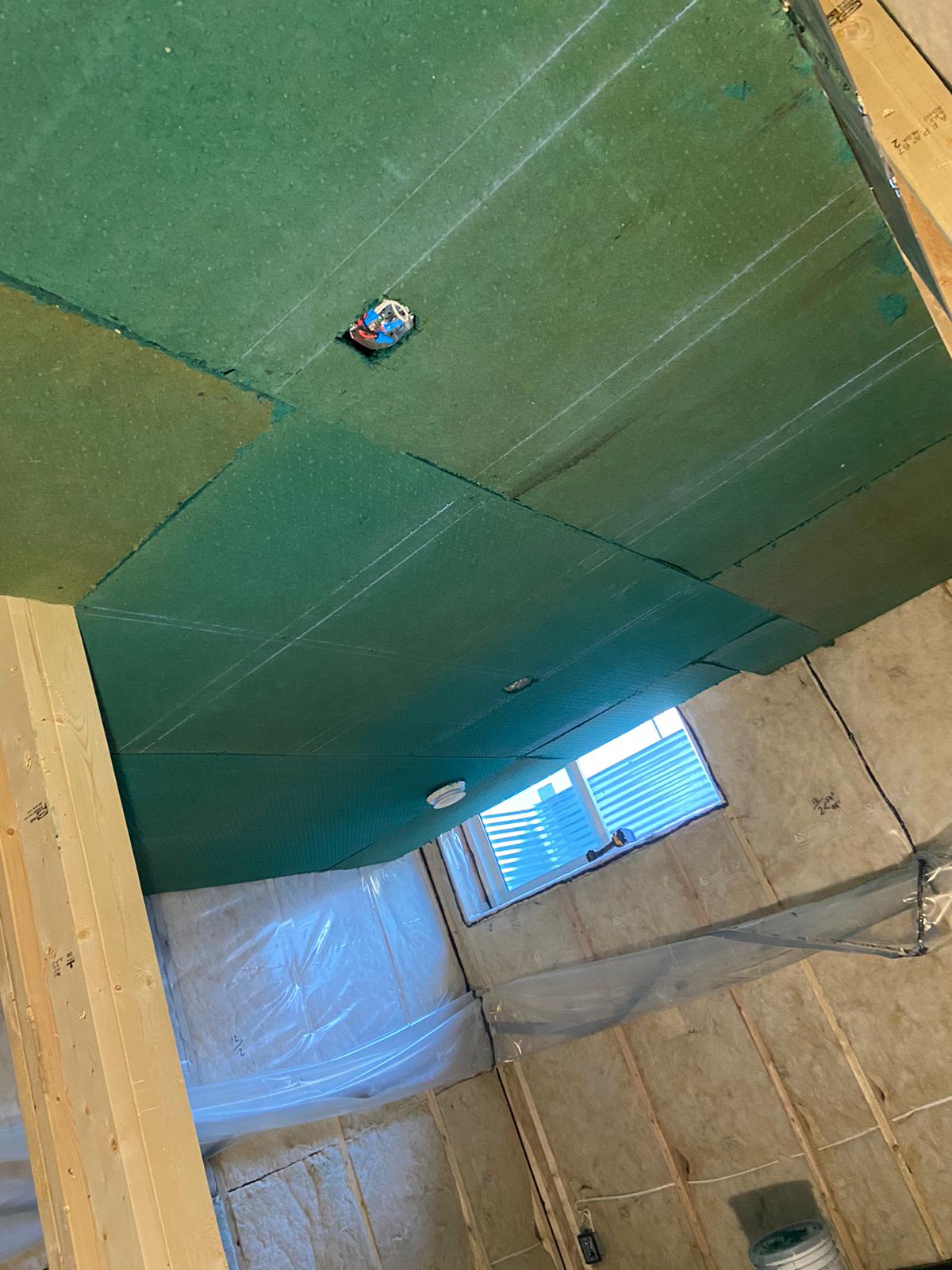
Drywall Repair vs Replacement in Calgary: What Homeowners Should Know
A hole, a crack, or a water stain does not always mean a new wall. Here is how to tell when a drywall repair will hold and when replacement is the smarter Calgary choice.
Most drywall damage in Calgary homes is repairable
Drywall takes a beating in a lived-in home. A doorknob punches through a hallway wall, a furniture move gouges a corner, a roof leak leaves a brown stain on the ceiling, or a settling foundation opens a hairline crack above a doorway. The good news is that the large majority of this damage is repairable without replacing the whole wall — and a well-done patch is invisible once the texture is matched and the paint goes on.
Small holes and dents are the simplest. We back the hole, fill it with joint compound, and sand it flush so the patch sits level with the surrounding surface. Larger holes get a clean cut-out and a new piece of board taped into the opening. Cracks get widened, filled, and taped to stop them from reopening. The goal in every case is a patch that does not telegraph through the paint.
Texture matching is what makes a repair actually disappear. Calgary homes have knockdown, California splatter, orange peel, and smooth flat ceilings, and a patch finished with the wrong texture is obvious the moment the light hits it. We match the existing texture so the repaired area blends with the rest of the wall or ceiling.
When replacement is the smarter choice
Not every damaged wall is worth patching. Extensive water damage — the kind that comes from a sustained plumbing leak or a flooded basement — can saturate the drywall, break down the gypsum core, and leave the board soft, crumbly, or mold-contaminated. In those cases, cutting out the damaged section and boarding in new drywall is the durable fix, because a patch over mushy board will fail.
Mold is the other trigger. If drywall has been wet long enough to grow visible mold, the affected board should be removed and replaced, the cause of the moisture addressed, and the cavity dried before new board goes in. Patching over active mold traps it inside the wall, and the problem returns — along with the musty smell.
Finally, ceilings that have sagged from repeated moisture or age, or walls with widespread settlement cracking across multiple rooms, are often better boarded fresh than patched endlessly. A repair assessment tells you which you are dealing with: a surface problem a patch will fix, or a structural or moisture problem that needs new board.
Getting a repair that actually lasts
The difference between a patch that lasts and one that reappears in six months is whether the underlying cause was addressed. A crack above a doorway is often the symptom of seasonal movement; patching it without reinforcing the joint means it comes back. A water stain on a ceiling means a leak above; if the leak is not fixed, the patch will stain again. We address the cause where possible and reinforce the repair structurally so it holds up through Alberta's seasonal movement.
Dust containment matters on repairs too, even for a small patch. A repair in an occupied Calgary home should not leave drywall dust in every other room. We plastic off the work area, protect the floors, and use HEPA vacuum sanding so the rest of the house stays clean while we work.
If you have a hole, a crack, or a water stain you want gone, book a free estimate. We will tell you honestly whether it is a repair or a replacement, fix the underlying cause where we can, and finish the patch so it disappears into the wall. From a quick doorknob fix in Silverado to a ceiling restoration after a plumbing leak in Tuscany, we make the damage look like it never happened.
Drywall Repair & Patching in Calgary
Fast, seamless repair for water damage, stress cracks, door knob holes, ceiling leaks, and drywall structural patching.
Drywall Repair — Quick Answers
Common questions Calgary homeowners ask about this topic.
Ready to start your Calgary project?
Get a free, no-obligation written estimate from CE Interiors Inc.
More Articles
Back to Blog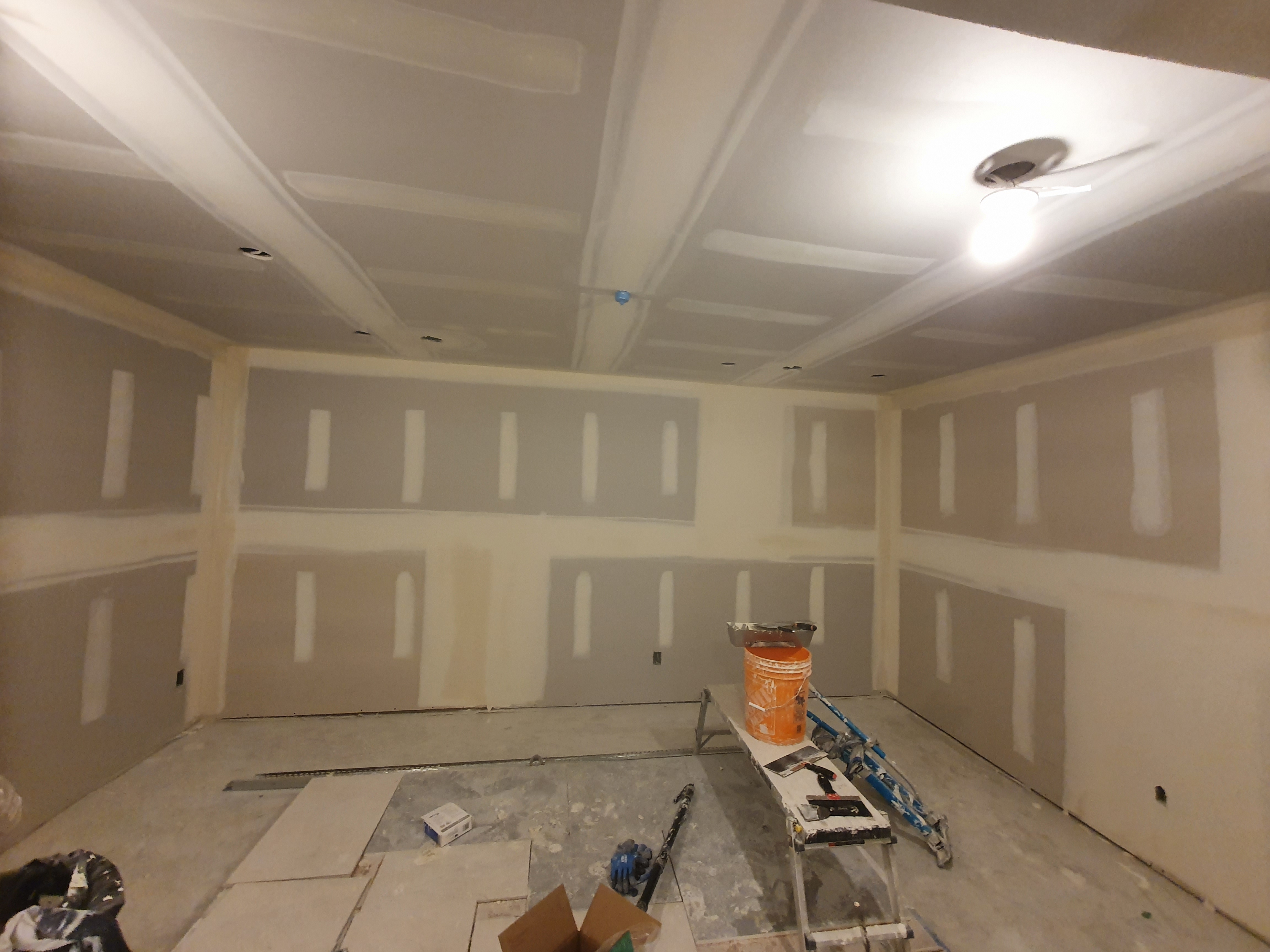
How Much Does Basement Finishing Cost in Calgary in 2026?
A practical, no-nonsense breakdown of basement finishing costs in Calgary for 2026 — by square footage, scope, legal-suite requirements, and finish level — so you can budget with confidence.
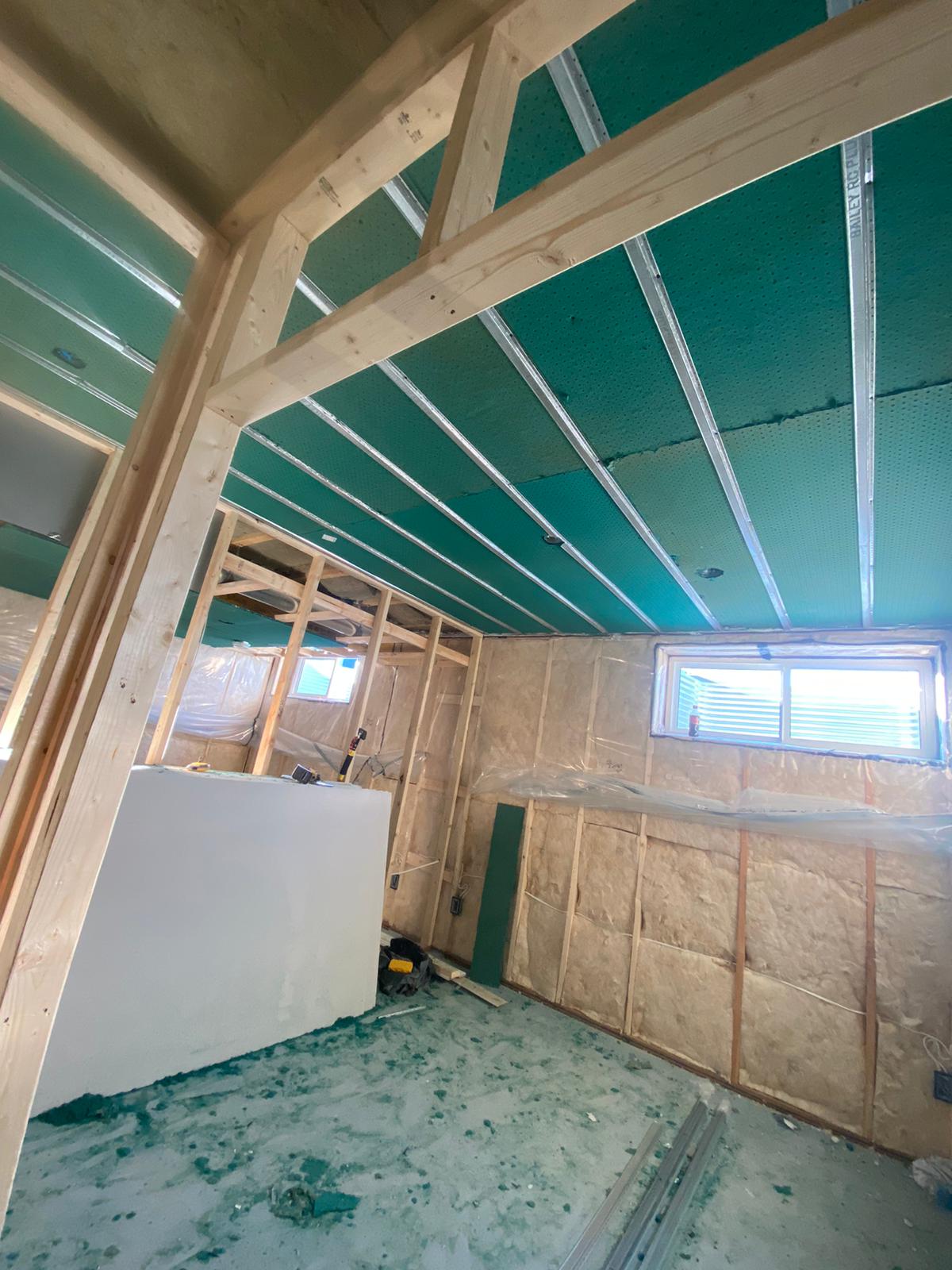
Legal Secondary Suites in Calgary: Drywall & Fire Code Requirements
A legal secondary suite is more than a finished basement — it requires fire-rated drywall, sound separation, and egress. Here is what Calgary homeowners need to know before they build.
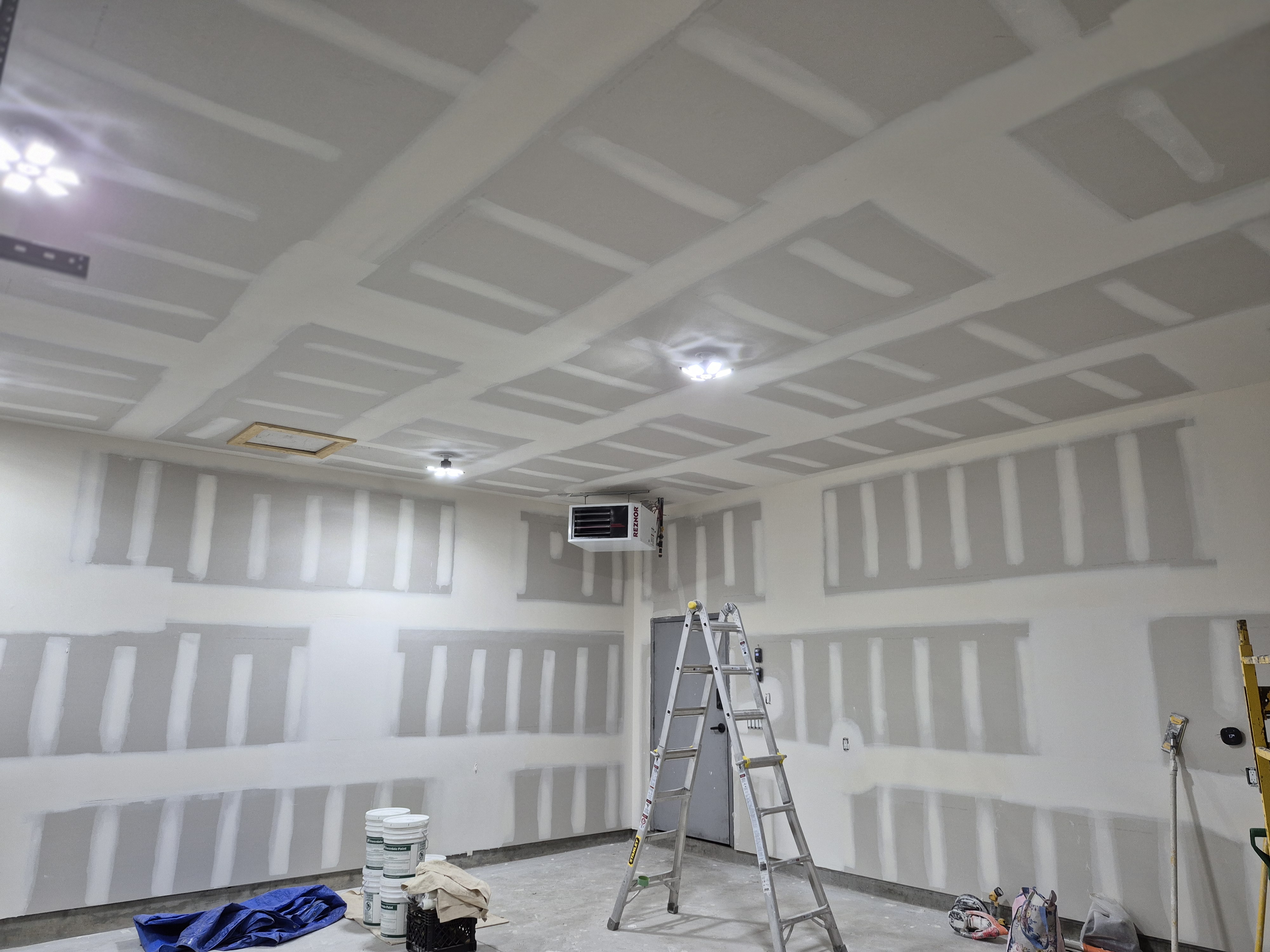
Level 4 vs Level 5 Drywall Finishing: Which Does Your Calgary Home Need?
Level 4 and Level 5 drywall finishes look similar until the lights come on. Here is how to choose the right finish level for each room in your Calgary home.